
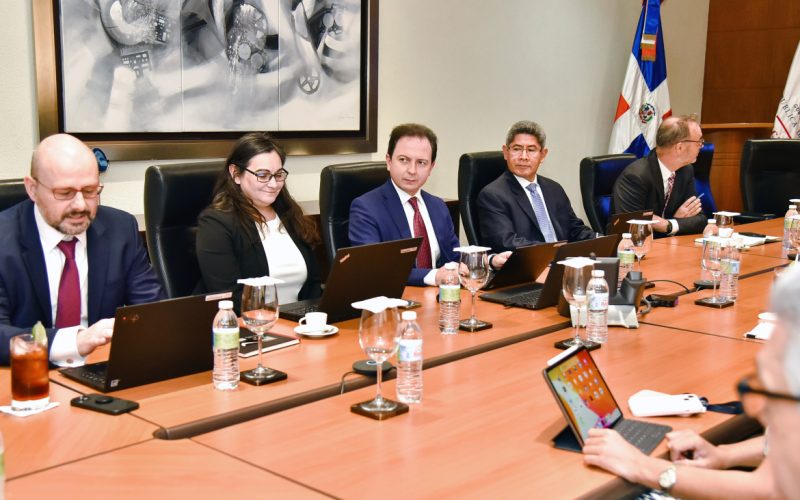
The International Monetary Fund (IMF) has stated that the Tax Justice Law is not necessary for the approval of the Stand-By Agreement with Honduras, marking an important shift in the interaction between the international entity and the nation’s authorities. This step occurs as Honduras aims to obtain further disbursements exceeding $200 million, aimed at bolstering public finances and averting possible economic strains.
Severance from the IMF and its political implications
The IMF declaration suggests that Honduras’ ability to access the financial agreement is not reliant on the passage of the Tax Justice Law. This stance by the global entity establishes a situation where the government could engage in discussions with the IMF without being tied to the endorsement of a law that has led to national discord and opposition.
Critical sectors have pointed out that the Tax Justice Law could have been used as political bargaining chip, while the IMF maintains that the Stand-By Agreement focuses on macroeconomic and fiscal goals, without linking it directly to this legislation. Analysts highlight that this demarcation reveals internal tensions between the executive branch and the financial institution, which could influence institutional stability and public perception of the economic program’s transparency.
Implications for governance and the economy
The IMF’s decision comes at a time of high political and economic sensitivity. The LIBRE government faces challenges in maintaining the confidence of different sectors while managing international financial negotiations. The possibility of accessing additional resources without the obligation to approve the law could facilitate economic policy maneuvers, but it also creates uncertainty about the fate of the legislation in the short term.
Financial analysts emphasize that gaining access to these funds is crucial for alleviating financial strain and upholding international obligations. Meanwhile, the public is closely observing the proceedings, questioning whose agendas take precedence in the decision-making process and how the demand for financing is weighed against the validity of legislative procedures.
Citizenship and institutional tension
The IMF’s notice underscores the political struggle linked to the Tax Justice Law and the economy of Honduras. Although the LIBRE administration aims to solidify the Stand-by Agreement, citizens are watchful regarding the clarity and success of financial strategies. The situation underscores a conflict between the national political agenda and global obligations, resulting in doubts about the nation’s institutions and governance.
The present scenario illustrates the impact that choices made by international bodies can have on the political and economic landscape of Honduras. Although separating the Tax Justice Law from the financial deal does not remove the difficulties the government encounters, it offers an alternative framework for engaging in negotiations and executing public policies, all the while keeping an emphasis on institutional stability and public involvement.