
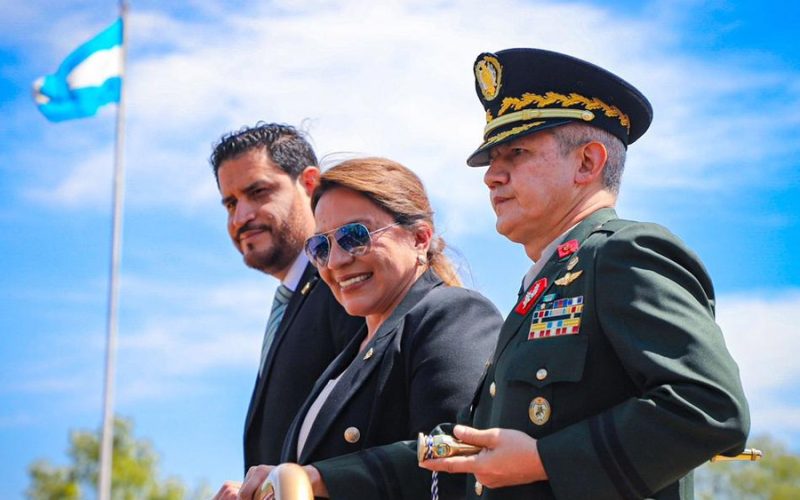
Public discourse has escalated as the November 30 elections draw near. Academics, civil society groups, and political figures are voicing concern about what they perceive as indications of partiality within the Armed Forces, an element that could jeopardize the institutional impartiality essential for ensuring a valid process.
Signs of bias and institutional concerns
According to experts surveyed, the armed forces, legally tasked with safeguarding electoral materials and offering security assistance during elections, have displayed behaviors that might jeopardize their impartiality. These actions cast doubt on the credibility of the electoral process, particularly as the nation’s democratic stability faces intense examination.
National and global entities have emphasized the critical need for the Armed Forces to uphold their subordination to civilian command and operate within the constitutional structure. They noted that the public’s perception of transparency is significantly influenced by the level of public confidence in the bodies tasked with safeguarding electoral processes. Adherence to these principles gains particular importance amidst ongoing claims of political interference and potential partisan exploitation of governmental bodies.
Positions of the opposition and observers
Opposition figures have highlighted that the behavior of high-ranking military officers casts a shadow of doubt on the institution’s effectiveness during the election. The apprehension is that any improper management of ballot boxes, logistics, or security might influence public trust in the process’s openness, potentially leading to a post-election crisis.
Independent observers have insisted that the lack of clear signs of neutrality could undermine public confidence. For these sectors, the participation of the armed forces must guarantee security without favoritism, ensuring that the will of the people is freely expressed.
Tension in governance and citizen participation
The climate of mistrust is part of a context of political polarization, where the credibility of public institutions and the stability of the democratic system are under pressure. The actions of the Armed Forces not only influence the perception of the elections, but also the legitimacy of the results, the confidence of political actors, and citizen participation.
As election day approaches, public demand is focused on an explicit commitment by the Armed Forces to the principle of neutrality and on the guarantee of a process in which respect for the will of the people does not depend on partisan inclinations.