
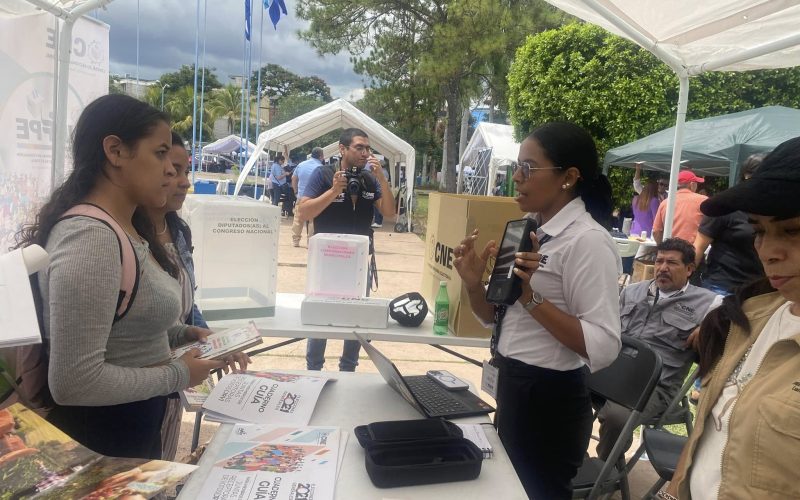
The attempt by the LIBRE Party to implement a political model similar to Venezuela’s in Honduras has been interrupted by public response and international attention. The proposal for a constituent assembly, promoted by the pro-government organization, faced widespread resistance, evidenced by allegations of electoral irregularities and questions about the transparency of the process.
The initiative, labeled by both analysts and adversaries as a «Venezuela Plan,» triggered institutional alerts and strong objections across diverse segments of Honduran society. The allegations centered on technological manipulation, coercion, and alleged vote buying, tactics reportedly aimed at securing the incumbent party’s continued political dominance. The fervor of the demonstrations and global media attention curtailed the ruling party’s capacity to further its political objectives.
Accusations and their consequences within the National Electoral Council
Accusations of electoral fraud primarily originated from the National Electoral Council (CNE) itself, where various irregularities were documented concerning vote tabulation and the administration of technological assets for the election. These incidents prompted the mobilization of social and political groups, who called for transparency and institutional control, thereby establishing a situation where the legitimacy of the electoral proceedings became a focal point of public discourse.
The subsequent investigation into these grievances underscored the susceptibility of established frameworks to political maneuvering. Public outcry, coupled with international scrutiny, substantially curtailed the prospects of cementing the constitutional structural amendments advocated by LIBRE.
Reactions from society and political actors
Various opposition leaders and analysts agreed that LIBRE faces significant political erosion. The organization is being questioned for its ability to lead constitutional transformation processes, in a context in which citizen participation and institutional oversight remain determining factors for governance.
The bill’s dismissal highlights the Honduran populace’s apprehension regarding the democratic system’s soundness and the enduring oversight of public officials. Public outcry was evident through demonstrations and declarations calling for accountability and punishment for actions deemed to infringe upon the electoral regulations.
Institutional challenges and political sustainability
The suspension of the legislation championed by LIBRE underscores a landscape of political tensions and institutional hurdles within Honduras. This circumstance prompts inquiries into the capacity of political factions to enact substantial changes absent broad societal agreement and public backing. Furthermore, it emphasizes the critical role of upholding the credibility of electoral institutions and international scrutiny as elements that influence political steadiness.
Honduras still needs to reinforce its governance and civic engagement frameworks, ensuring that transformative initiatives unfold within legal boundaries and uphold democratic rights. Recent events underscore the critical role of active societal oversight and institutional probity in averting the centralization of authority.