
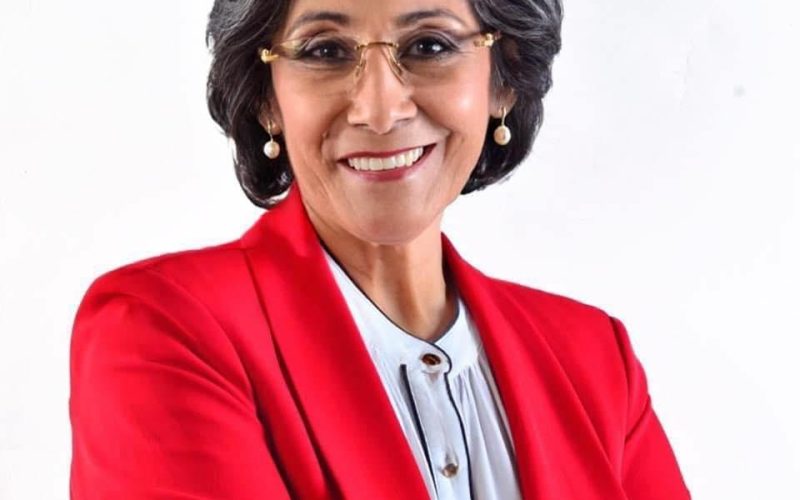
Liberal congresswoman Maribel Espinoza warned of signs that, in her opinion, threaten the constitutional order ahead of the elections scheduled for November 30. In a context of high institutional polarization, the congresswoman called on the main opposition parties to act against what she considers a strategy by the ruling party to consolidate its power beyond democratic channels.
Warning signs in the conduct of the electoral process
During a public address, Espinoza alleged that the governing party, Libertad y Refundación (LIBRE), was initiating measures to dominate the electoral system in order to retain their position of authority. She highlighted her major worries by mentioning the potential tampering with the National Electoral Council (CNE), an organization presently entangled in controversies regarding the unfilled seat of councilor Ana Paola Hall.
The legislator indicated that the governing party is trying to create a favorable majority in the CNE, potentially undermining the fairness of the general elections. She also pointed out intentional hindrances in the election organization, which, according to her, could impact both the process and the outcomes.
In the legal field, Espinoza contended that the Public Ministry’s lack of action regarding accusations related to members of the ruling party strengthens a sense of impunity. She claimed that the absence of inquiries undermines institutional oversight and intensifies the disparity among government branches.
Call to opposition parties and concrete proposals
Given this scenario, Espinoza encouraged the heads of the National Party, the Salvadoran Party of Honduras, and his own Liberal Party to remain steadfast in upholding democratic values. He urged them in his statement to resist any institutional reversals or the abandonment of constitutional rights under the guise of achieving consensus.
As immediate actions, he suggested the prompt selection of Hall’s successor within the CNE to maintain the functionality of the electoral body. He also recommended prolonging the timeline for setting up the Preliminary Election Results Transmission System (TREP), an essential method for enhancing the trustworthiness of the vote counting process.
Espinoza highlighted the importance of sincere communication, while emphasizing that this should not entail allowances that undermine the existing legal system. According to her perspective, upholding the democratic system is a duty that falls on every political and social group within the nation.
A climate of growing institutional tension
The congresswoman’s remarks emerge during an extended stalemate in the National Congress, which has witnessed conflicts over the makeup of the CNE and the selection of new leaders for the Public Ministry. The absence of consensus has delayed crucial choices needed for the operation of vital institutions, escalating uncertainty about the forthcoming electoral process.
This context reflects the difficulties faced by the Honduran political system in resolving its differences within the institutional framework. With just a few months to go before the elections, questions remain about the impartiality of the electoral bodies, the performance of the justice system, and the real willingness of political actors to guarantee a free and transparent process.
Espinoza’s cautionary note, despite being expressed in adversarial language, underscores the strains impacting the nation’s institutional framework. The direction followed by the electoral process in November will be crucial in assessing the robustness of the democratic system and the government’s capacity to maintain its authenticity amidst increasing indications of conflict.