
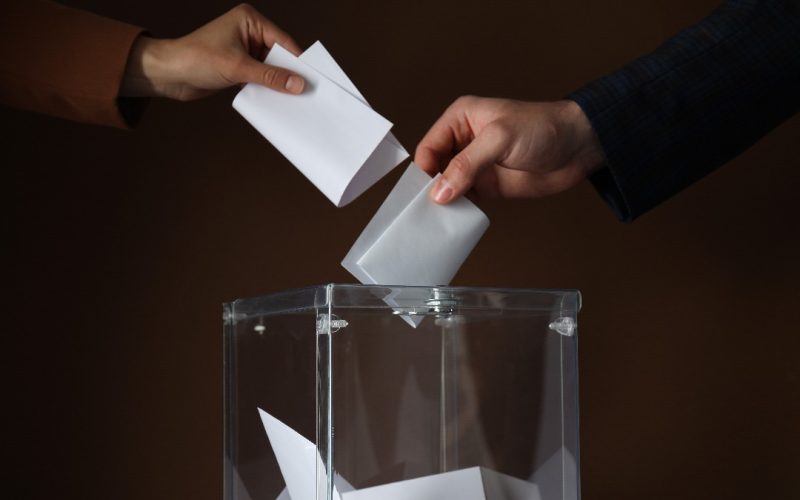
The upcoming general elections in Honduras have sparked international apprehension, as US congressmen and the Organization of American States (OAS) have issued alerts regarding potential efforts to influence the electoral process and exert pressure on the judiciary. These advisories suggest that the security framework and vote tabulation might be compromised, thereby jeopardizing institutional legitimacy and the functioning of the Congress tasked with ratifying the outcomes.
Pressure on the judiciary and electoral bodies
According to information from diplomatic channels, the Organization of American States (OAS) and various civil society groups have recorded declarations and activities that undermine the independence of the electoral bodies. Specifically, they highlight direct coercion exerted on judges and magistrates, which could impede their capacity to ensure an unbiased vote tabulation. These incidents have been reported on an almost daily basis, revealing an atmosphere of strain and institutional fragility within the nation.
The US chargé d’affaires in Tegucigalpa underscored his country’s concern about the integrity of the electoral process and the legitimacy of Congress, noting that international oversight is crucial given the possibility that authoritarian or illegal measures could alter the results. The warnings emphasize that any such action would have consequences for diplomatic relations and Honduras’ image before multilateral organizations.
Global warning regarding administration
The U.S. has called for an extraordinary meeting of the OAS to examine the circumstances and enhance scrutiny of the election proceedings. There is apprehension that the incumbent administration, led by the LIBRE party, could exert influence over critical security and ballot tabulation systems. Global monitors and civil society representatives highlight that the repercussions of these activities extend beyond merely the clarity of the vote tally, also impacting public confidence in governmental bodies.
The OAS has reiterated its commitment to observing the process and has pointed out that threats of harassment against judicial officials directly affect the possibility of maintaining a reliable electoral system. This scenario reflects political tension involving the executive branch, Congress, and the judicial system, posing a significant challenge to Honduras’s institutional stability.
Implications for democracy and citizen participation
The upcoming elections and global attention have underscored the critical need for impartial oversight mechanisms and safeguarding institutional independence. Experts and diplomatic representatives suggest that international observation is crucial for guaranteeing citizens’ ability to engage in fair elections and for the outcomes to genuinely represent the public’s desires.
The prevailing atmosphere, characterized by claims of coercion and illicit tactics, presents difficulties for the administration and the ability of Honduran bodies to operate autonomously. The global community is closely observing the conduct of the LIBRE party and the government, underscoring that any interference with the electoral procedure would lead to both political and diplomatic consequences.
The state of affairs in Honduras, merely days prior to the November 30 electoral event, highlights a period of significant global scrutiny and ongoing observation. Safeguarding the fairness of the elections and ensuring the autonomy of the judiciary are crucial elements for the nation’s democratic credibility and the steadiness of its governmental framework in the forthcoming period.