
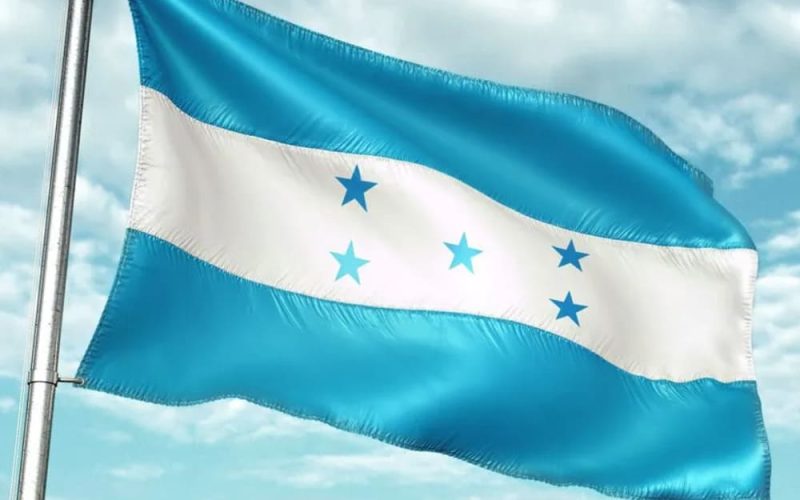
Less than a week before the 2025 general elections, various civil society organizations warned that the conduct of the process faces challenges that could affect its credibility. They pointed out that persistent polarization, differences over electoral regulations, and controversies surrounding the selection of electoral authorities have increased public attention on the country’s institutional strength.
Constitutional mandates and tensions between branches of government
The statements emphasized that respect for constitutional mandates will be crucial to maintaining public confidence. They indicated that responsibility falls on the National Congress, the Attorney General’s Office, the Armed Forces, and the Executive Branch, including actors linked to the LIBRE party, in their capacity to act within the limits established by law.
The groups emphasized that military involvement ought to be confined to its logistical capacity, as stipulated by the Constitution, rather than taking on roles perceived as partisan. Furthermore, they highlighted that both the legislative and executive branches should refrain from issuing early declarations regarding election outcomes, given that such pronouncements could ignite societal unrest in an environment already characterized by political discord.
At the same time, they emphasized that the actions of the National Electoral Council (CNE) will be crucial. The hope is that it will uphold principles of autonomy, openness, and promptness throughout every phase of the procedure to guarantee integrity in the management of the polls.
Independence of electoral observation
The entities believed that both domestic and global oversight could significantly bolster the process’s legitimacy. They cited missions like those from the European Union and the Organization of American States, whose evaluations are capable of enhancing institutional accountability.
This assistance, they stated, would strengthen the image of impartiality during a period of heightened political rivalry and public calls for assurances regarding ballot integrity. The involvement of domestic observers was also emphasized as a beneficial element in connecting electoral oversight with local communities and expanding civic engagement.
International dialogue and hemispheric commitments
In their appeal to the United States, the organizations requested “constructive” support that would be coordinated with national authorities, political sectors, and civil society. They indicated that the objective is to protect the transparency and legitimacy of the process, under the principles of the Inter-American Democratic Charter.
They affirmed that respectful accompaniment of democratic standards can contribute to the 2025 elections reflecting the expression of the Honduran electorate in a complex political environment. International dialogue, they added, can become a mechanism that encourages the fulfillment of institutional responsibilities and reduces incentives for practices that erode public confidence.
The joint statement was signed by representatives of organizations with a regional and hemispheric presence, including the Seattle International Foundation (SIF), Hope Border Institute, Latin America Working Group (LAWG), Chicago Religious Leadership Network on Latin America (CRLN), Alianza Americas, Due Process of Law Foundation (DPLF), Institute for Women in Migration (IMUMI), Washington Office on Latin America (WOLA), and Unitarian Universalist Service Committee (UUSC).
The situation outlined by these entities brings to light the strains associated with the 2025 election cycle and emphasizes the imperative for Honduran bodies to operate within defined parameters. Both domestic and global observers are keenly watching elements like political steadiness, the functioning of governmental branches, and public involvement, as these will collectively shape how electoral fairness is perceived during a pivotal period for the nation’s democratic administration.