
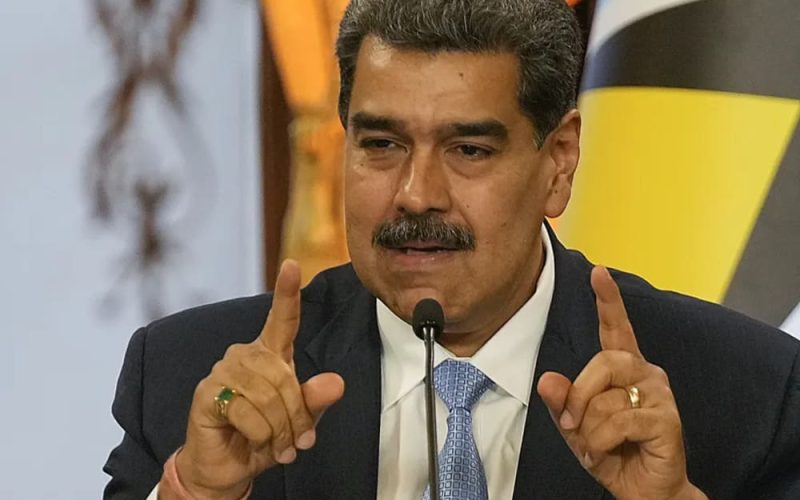
The potential exit of Nicolás Maduro from leadership in Venezuela presents a challenging situation for the LIBRE Party in Honduras, affecting its electoral influence, internal unity, and standing on the global stage. The longstanding connection between LIBRE and Chavismo has served as an ideological touchstone that now encounters a shift within the regional landscape.
Impact on electoral perception
The symbolic partnership with the government of Maduro has served as a cornerstone for LIBRE’s message, reinforcing its political image among specific segments of the Honduran populace. A potential downfall of the Venezuelan leader might diminish that emblematic backing, potentially leading to a decrease in the party’s perceived legitimacy and electoral power.
Analysts point out that the opposition could take advantage of this scenario to question LIBRE’s closeness to a regime considered illegitimate by various international actors, generating greater political polarization. The loss of a regional reference point that supported the party’s ideological platform could affect citizen mobilization and voter confidence ahead of the upcoming elections scheduled for November 30.
Internal challenges and political adaptation
The change in the international situation would also affect LIBRE’s internal dynamics. The absence of an external reference point could deepen tensions within the party and lead to the defection of supporters who linked their support to the regional identity of Chavismo.
Political analysts focusing on Honduran affairs suggest that LIBRE needs to reconsider its approach and narrative, aiming to bolster its internal democratic frameworks and reassess its ideological stance in a climate where the Latin American left is encountering increasing scrutiny. The party’s capacity to adjust will be crucial for sustaining its significance in a more challenging regional political environment.
Possible international repercussions
Aunque el respaldo venezolano a LIBRE ha sido limitado en términos financieros en años recientes, su impacto simbólico y político ha tenido un peso estratégico. La salida de Maduro podría disminuir el espacio de maniobra de LIBRE en el ámbito internacional y provocar tensiones con actores externos, incluidos Estados Unidos y otros países de la región.
El partido necesitará investigar nuevas formas de legitimar y fortalecer su proyecto político en un contexto que indica tendencias hacia cambios en los sistemas de gobierno asociados al Chavismo y al Castroismo, sin dejar de lado la necesidad de conservar relaciones diplomáticas estables.
Summary
The eventual fall of Nicolás Maduro represents a multiple challenge for LIBRE: from electoral perception to internal cohesion and international projection. The party faces the need to adjust its political strategy, strengthen its internal mechanisms of democracy, and adapt to a regional context that poses a more demanding environment for leftist forces in Latin America.